
Your EHS platform should be usable every day,
not just powerful on paper.
SafetyCulture is strong in mobile inspections, checklists, issue/action tracking, training, asset workflows, reporting, and frontline engagement. SBN is built for teams that need deeper EHS workflow coverage — chemical inventory, LOTO, permits, offline execution, regulatory reporting, and practical program administration across daily operations.
At a glance
SBN
SafetyCulture
- ✓ Deeper EHS workflow coverage beyond inspections and checklists
- ✓ Chemical inventory, LOTO, permits, corrective actions, and reporting in one platform
- ✓ All users, all features — no tier gating or increased price
- ✓ Strong mobile/offline execution with auto-sync
- • SafetyCulture is strong in mobile inspections, checklists, actions, training, and frontline engagement
- • SafetyCulture may be a strong fit when inspection/checklist execution is the primary need
SBN covers your complete EHS execution program
Show practical execution, not just inspection checklists
From mobile inspections and permits to lockout/tagout and executive dashboards, SBN combines powerful field execution with the reporting and visibility needed to manage safety programs across the organization.
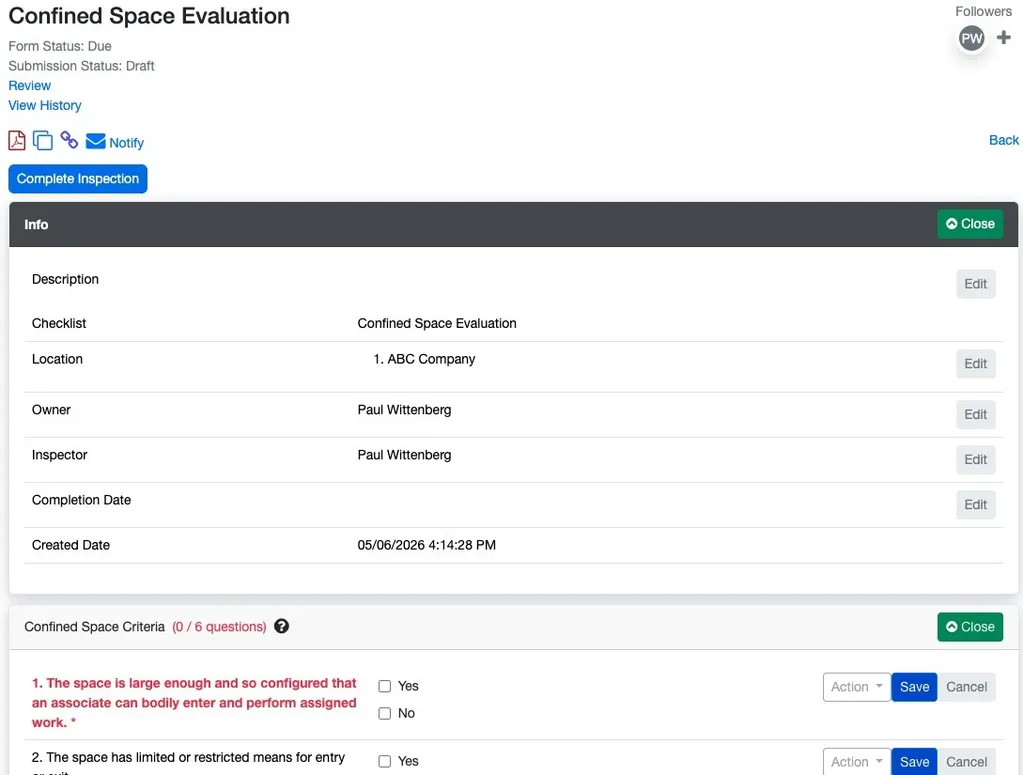
Mobile Inspections
Complete inspections in the field using any mobile device, even when offline. Capture photos, document findings, assign corrective actions, and synchronize automatically when connectivity returns.
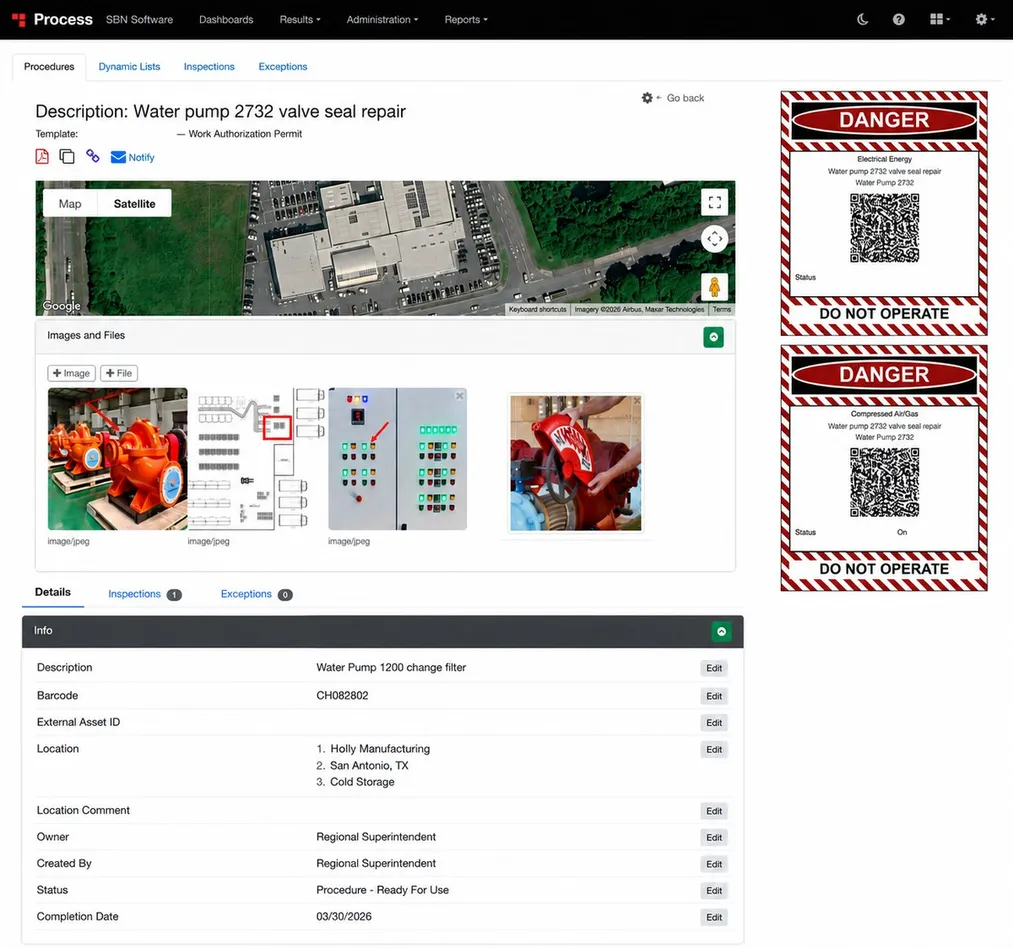
Lockout/Tagout
Create, manage, and execute equipment-specific LOTO procedures with QR codes, asset context, verification steps, supporting images, and complete audit history.
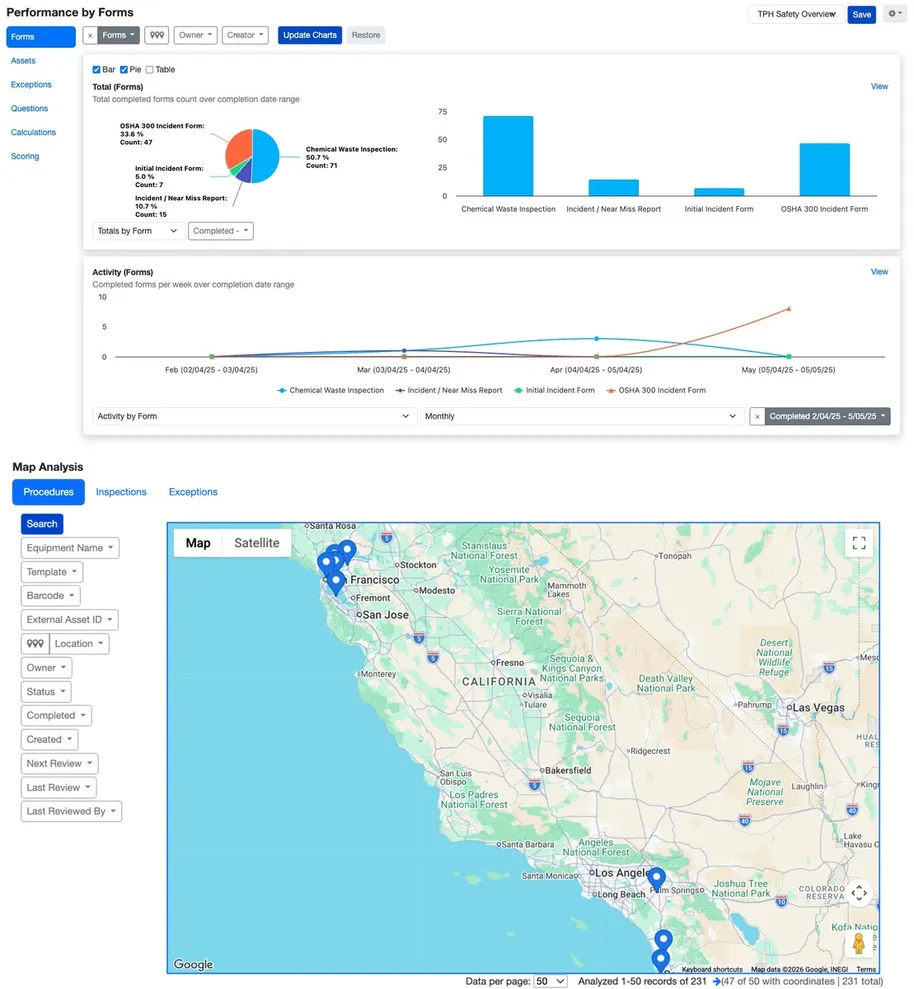
Dashboards & Analytics
Give managers clear visibility into inspections, corrective actions, incidents, permits, compliance status, and trends with configurable dashboards and reports.
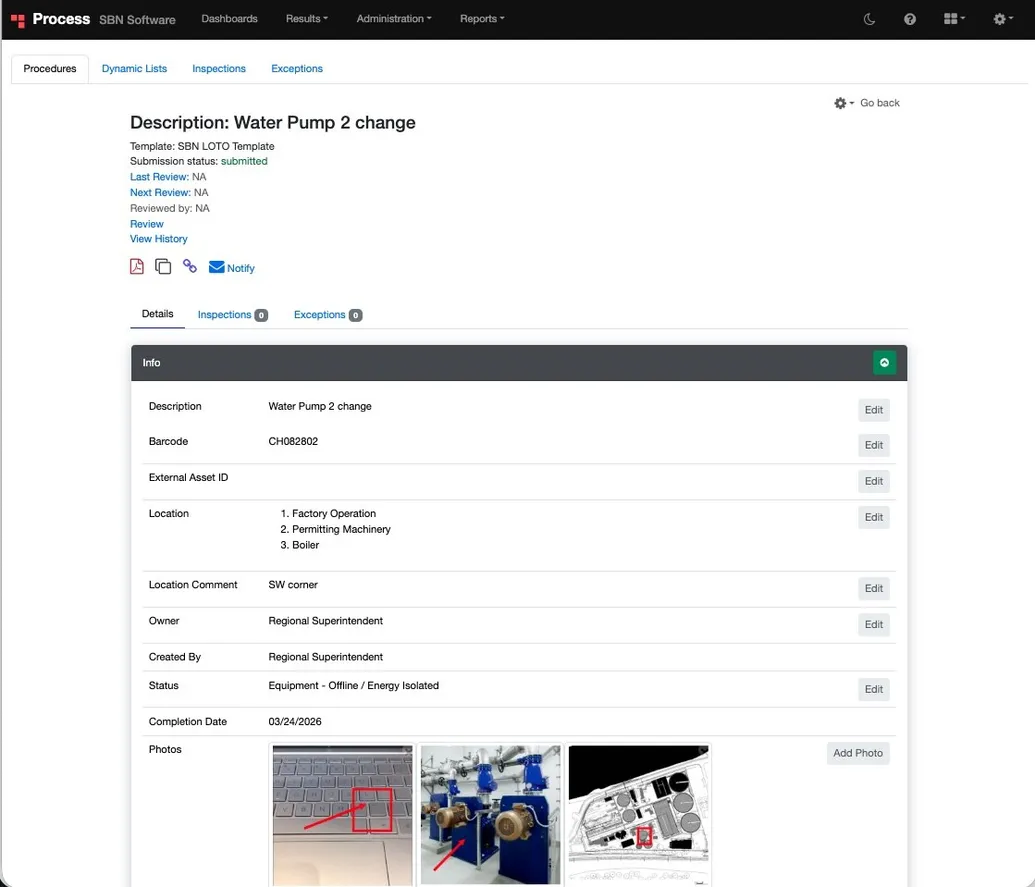
Permit to Work & Corrective Actions
Turn field findings into assigned work, approvals, follow-up tasks, and documented closeout so safety activity moves from observation to completion.
The difference is mobile inspection strength vs complete EHS execution
SafetyCulture is credible and strong for mobile inspections, checklists, issue capture, actions, training, and frontline operations. SBN is the sharper fit when the work extends into LOTO, permits, chemical inventory, regulatory reporting, and configurable EHS workflows that need to run across departments, sites, and assets.
Operational execution
Built around getting work done in the field.
EHS only works when teams use it
SBN is strongest when inspections, LOTO, permits, corrective actions, and reporting need to be performed and acted on by operating teams every day.
Health and enterprise breadth
Strong for large EHS programs.
SafetyCulture has credible enterprise depth
SafetyCulture deserves consideration when occupational health, mobile inspections, broad enterprise EHS coverage, and centralized governance are the main buying criteria.
Teams that need adoption
Speed, usability, and access matter.
Broad adoption should be easy
SBN is a strong fit when all users need access, workflows change quickly, and frontline adoption is critical to success.
Mobile-first operations teams
Best when health and IH are central.
Different buyers need different strengths
SafetyCulture may be a better fit when the buying decision centers on enterprise health, mobile inspections, and centralized EHS program management.
Why teams move beyond SafetyCulture
The issue usually is not that SafetyCulture lacks capability. The issue is often complexity, implementation effort, and whether frontline teams can adopt the system easily.
Implementation takes more effort
Broad enterprise platforms can require more planning, configuration, and ongoing administration than teams expect.
“We needed the power, but the rollout felt heavier than our operating teams could absorb.”
Frontline adoption can lag
If a system is optimized for enterprise governance but not easy daily use, field adoption becomes harder.
“It was capable, but not simple enough for the people doing the work every day.”
Reporting becomes specialized
Powerful reporting is useful, but only if ordinary users can build and interpret what they need.
“We had data, but getting the view we wanted took more effort than expected.”
What switching to SBN can deliver
Most teams do not switch platforms just for features. They switch to reduce friction, improve adoption, lower total cost, and make safety workflows easier to execute.
Improve operational efficiency
Improve operational efficiency by reducing manual work, simplifying field execution, and increasing user adoption.
- Reduce duplicate work
- Improve consistency across teams
- Shorten adoption and learning curves
Reduce platform costs
Reduce software costs through usage-based pricing, all-feature access, and eliminating per-user licensing barriers.
- No per-user pricing model
- No premium feature upcharges
- No additional cost for additional users
Satisfaction guarantee
If you’re not completely satisfied, we’ll credit 100% of your first-year subscription toward year two.
- Lower switching risk
- Accountability for outcomes
- More confidence before you commit
SafetyCulture is strong. SBN is built differently.
SafetyCulture has real strengths in mobile inspections and frontline engagement. SBN is built for organizations that need inspection workflows plus deeper EHS execution across assets, chemicals, permits, LOTO, corrective actions, reporting, and integrations.
Where SBN leans in
- Operational execution: LOTO, permits, inspections, corrective actions, and QR workflows are core strengths.
- Adaptability: Workflows can be configured and changed without long enterprise change cycles.
- Reporting: Simpler, yet comprehensive reporting and dashboarding that is easier to use.
- Access model: All users get access to all features, making broad adoption easier to justify.
- Cost model: Usage-based pricing reduces user-count friction and avoids premium feature gates.
- Integration: Fully API enabled, making it easier to connect with other systems and BI platforms.
Where SafetyCulture is strong
- Mobile inspections: Strong checklist and inspection experience for frontline teams.
- Issue and action tracking: Good fit for capturing findings and assigning follow-up work.
- Training and engagement: Broad frontline operations and workforce engagement story.
- Ease of adoption: Strong fit when the primary use case is mobile forms, inspections, and operational checklists.
How they actually compare
This table keeps the conclusion easy to scan while still showing how each platform is positioned for the capabilities that matter most.
| Capability | SBN Software | SafetyCulture | Edge |
|---|---|---|---|
| Pricing model | Usage-based pricing with all features available to all users. No user-count penalty for broader adoption. | Plan and package structure should be evaluated carefully for broad workforce rollout. | SBN Edge |
| Feature access | All users, all features — no tier gating or increased price. | Broad platform coverage, with feature access dependent on package and plan. | SBN Edge |
| Implementation speed | Designed for rapid rollout and practical configuration without heavy implementation drag. | Fast to adopt for inspections and checklists; deeper EHS workflows should be validated. | Even |
| Mobile / offline execution | Strong mobile/offline execution across inspections, permits, LOTO, corrective actions, and other workflows. | Very strong mobile-first inspection and checklist experience. | Even |
| Inspections | Very strong configurable inspections tied to corrective actions, reporting, assets, and compliance workflows. | Very strong. Inspections and checklists are a core SafetyCulture strength. | Even |
| Corrective actions | Corrective actions connect to inspections, incidents, permits, observations, and other EHS workflows. | Strong issue and action tracking for inspection-driven workflows. | Even |
| LOTO | Native equipment-specific procedures, QR access, approvals, lock tracking, verification, and audit history. | Not typically positioned as a leading LOTO platform. | SBN Edge |
| Permit to Work | Hot work, confined space, safe work, and other permits are configurable operational workflows. | Can support forms and checklists, but permit-to-work depth should be validated. | SBN Edge |
| Chemical inventory | Very strong for containers, compounds, mixtures, locations, limits, quantities, and compliance reporting. | Not generally positioned as a deep chemical inventory compliance platform. | SBN Edge |
| SDS management | Strong SDS and hazard information integrated with chemical workflows. | May support SDS-related workflows, but depth should be validated. | SBN Edge |
| Regulatory reporting | Strong fit for compliance reporting needs, including SARA Tier II and CERS. | Strong operational reporting, but specific regulatory reporting depth should be validated. | SBN Edge |
| Analytics & dashboards | Configurable dashboards and reports for inspections, actions, incidents, permits, compliance, and trends. | Strong analytics and operational reporting for frontline programs. | Even |
| Training | Strong training tracking and workflow integration. Content can be supported through partners where needed. | Strong training and workforce engagement story. | SafetyCulture Edge |
| Asset-linked workflows | Assets can connect to inspections, LOTO, permits, QR codes, corrective actions, and procedures. | Strong asset inspection and operational checklist support. | Even |
| Configurability | Very high. Built to adapt workflows without long enterprise change cycles. | Strong for forms and checklists; deeper EHS workflow configuration should be evaluated. | SBN Edge |
| API / integrations | Fully API-enabled for integrations, data access, and BI workflows. | Integration capabilities should be evaluated by package and use case. | SBN Edge |
| Best fit | Organizations needing complete EHS execution across inspections, LOTO, permits, chemicals, assets, reporting, and corrective actions. | Teams focused primarily on mobile inspections, checklists, actions, training, and frontline engagement. | Depends |
4 signs it may be time to move beyond SafetyCulture
Most switches happen when the platform is capable, but heavier than the organization needs to execute daily safety work.
Implementation is slowing the program down
If the rollout becomes a long internal project, time-to-value suffers.
Frontline users avoid the system
If adoption is limited to admins or specialists, operational safety visibility suffers.
Reporting requires too much expertise
If routine dashboards require specialized effort, managers lose speed.
The system is broader than the use case
If the team mainly needs execution workflows, heavy enterprise breadth may be overkill.
Capability without adaptability does not solve real-world problems
A platform can have a long feature list and still slow your team down if every meaningful change requires a long delivery cycle. SBN’s advantage is not only that it can support complex workflows. It is that those workflows can be configured, adjusted, and improved as quickly as your operation changes.
What this means in practice
- New inspections and workflows can be configured quickly.
- Operational changes do not need to wait for long enterprise change cycles.
- Reporting and dashboards can evolve as teams learn what they need.
- Mobile and offline workflows support the reality of field work.
Why buyers care
- Safety programs change as facilities, assets, and regulations change.
- Field teams need tools that match how work is actually done.
- Delayed configuration creates shadow processes and spreadsheet workarounds.
- Fast adaptation improves adoption because the system stays relevant.
Who each platform is right for
The right answer depends on where your EHS work actually happens and what problem you are trying to solve first.
EHS that executes, not just reports
- → LOTO, confined space permits, and inspection workflows that frontline workers can use without fighting the software
- → A platform you can deploy fast and reconfigure without long professional services cycles
- → Full feature access for every user — no tier debates, no add-on pricing
- → Strong analytics and regulatory reporting, including SARA Tier II and CERS
- → Offline-first mobile that works in the field, not just at a desk
- → A platform built for labs, utilities, manufacturing, chemicals, and equipment-heavy environments
- → A vendor who backs delivery with a 100% satisfaction guarantee
Enterprise health and EHS breadth are the primary need
- · Mobile inspections and mobile inspections are central requirements
- · Enterprise EHS standardization is more important than speed
- · You have internal resources for implementation and administration
- · Central governance outweighs field execution simplicity
Why teams choose SBN
These are placeholder quotes for layout and messaging review. Replace with approved customer quotes before publishing if needed.
“We needed the platform to run our actual inspection, permit, and LOTO workflows — not just hold records. That changed the conversation.”
“The pricing model was easy to explain internally. All users, all features, no debate about who should get access.”
“The biggest difference was how quickly the system could be changed to match how our people actually work.”
SBN is proud to optimize safety for leading organizations



Frequently asked questions
Is SafetyCulture a strong product?
What is SBN’s clearest advantage over SafetyCulture?
What does the 100% satisfaction guarantee mean?
Can we compare our current workflows in a demo?
See how your workflows would run in SBN
Send your LOTO flows, permit process, inspection templates, or chemical inventory challenge. We will show how those workflows will work in SBN — not just show you a canned walkthrough.